Architecture
·
In defence of the thick wall: insulation as architecture
Why insulation should be considered part of the design process rather than a hidden technical requirement.

Introduction
Insulation is often treated as a technical requirement that disappears behind finishes. Yet some of the most comfortable and enduring buildings begin with the wall itself. A thicker wall improves thermal performance, reduces energy consumption, and creates opportunities for deeper openings, stronger proportions, and a greater sense of shelter. When considered early in the design process, insulation becomes part of the architecture rather than an afterthought.
Start with performance
Good architecture is not only about appearance. Buildings must perform well throughout every season and remain comfortable for decades. Thick walls help regulate temperature naturally, reducing dependence on mechanical systems while improving overall efficiency.
Designing around performance from the beginning creates buildings that are more sustainable, more durable, and more enjoyable to inhabit.
Key elements that matter
Successful wall design balances technical requirements with architectural quality.
To achieve lasting results, designers should:
Prioritize thermal performance early in the design process.
Consider how wall depth affects daylight and views.
Select materials that improve with age.
Integrate insulation without compromising architectural intent.
Designing with depth
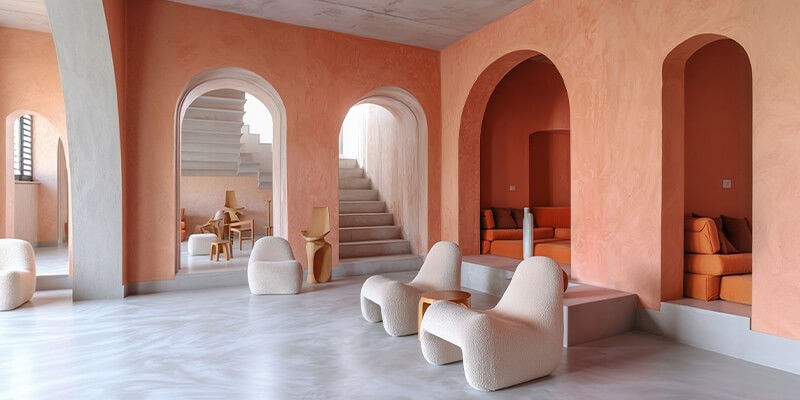
One of the greatest benefits of thicker walls is the depth they introduce to a building. Window reveals become more pronounced, shadows gain richness, and transitions between interior and exterior feel more substantial.
Rather than hiding these qualities, architects can use them to strengthen the character of a project and create more memorable spaces.
Takeaway
Insulation should not be viewed solely as a technical layer. When thoughtfully integrated into the design process, thick walls contribute to comfort, sustainability, and architectural expression. The best buildings treat performance and design as a single idea rather than separate concerns.